
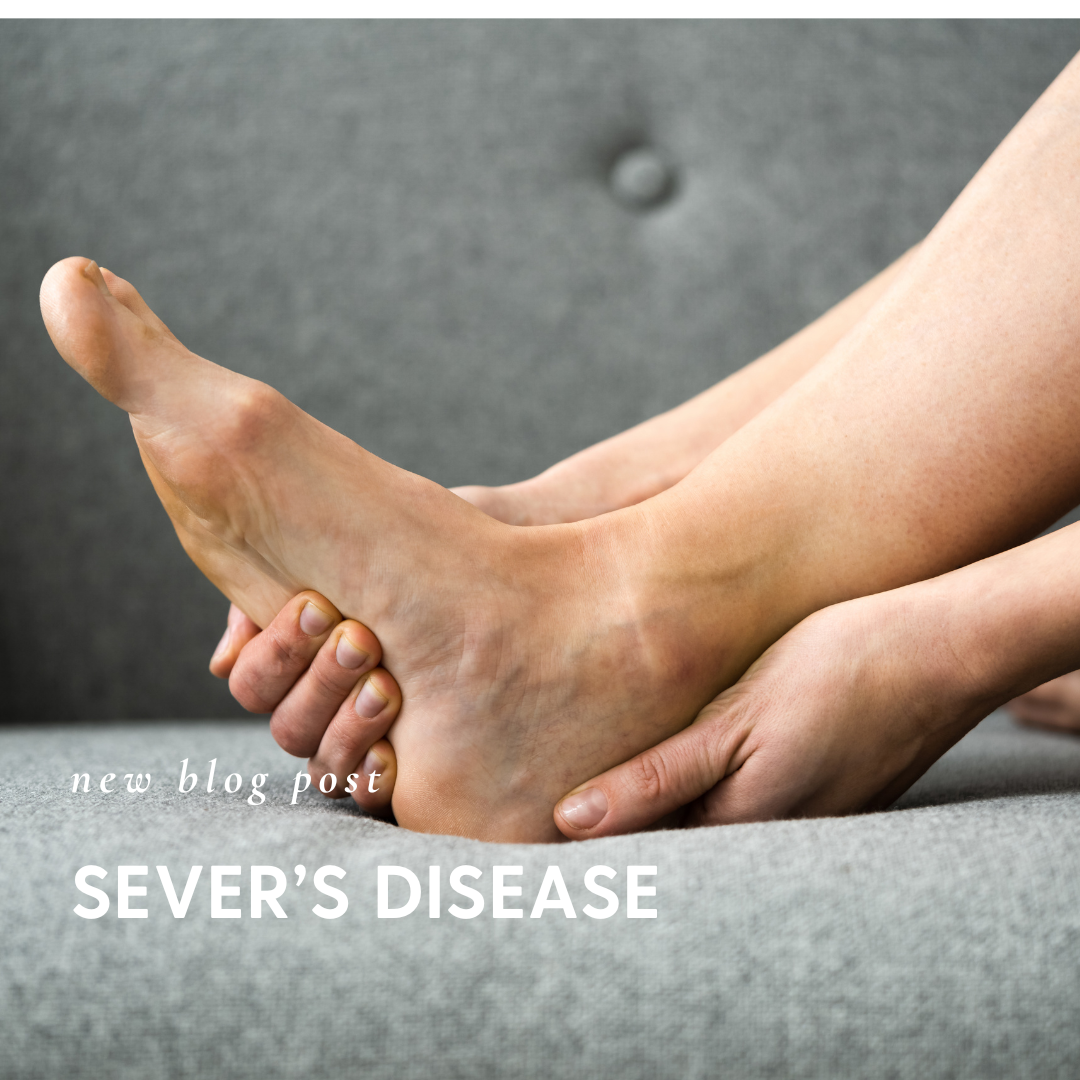
Sever’s disease is a common cause of heel pain in growing children. Despite the name, it is not an illness and does not cause permanent damage to the heel.
What is Sever’s disease?
Sever’s disease, or calcaneal apophysitis, affects the growing area at the back of the heel bone near the Achilles tendon attachment.
It commonly occurs during growth spurts, particularly in children involved in running and jumping sports. The growth area becomes sensitive when activity exceeds its current tolerance.
Typical symptoms
Pain is normally felt at the back or underside of the heel and worsens with running, jumping or prolonged sport.
The heel may be tender when squeezed from both sides. A child may limp or walk on the toes after activity. One or both heels can be affected.
Symptoms often fluctuate with training volume, playing surfaces, footwear and periods of rapid growth.
How is it assessed?
Diagnosis is usually clinical. The physiotherapist asks about the child’s age, growth, sport, recent training changes and symptoms during and after activity.
Assessment may include heel tenderness, the heel-squeeze test, ankle movement, calf strength and flexibility, foot control, walking and hopping.
Imaging is rarely required unless there has been significant trauma, symptoms are unusual or the condition is not following the expected pattern.